I imagine that it’s extremely difficult for a four-piece band today to craft an album that sounds good, and set them apart from other four-piece outfits of today, from back then, and going forward. I imagine it’s even more difficult for said band to even attempt the daunting challenge that will be their second album: do they press on in the same direction, and risk earning the tag of “sell-out” or worse, “plain-boring”; or do they pivot to an entirely different sound, and alienate the small fanbase they’ve collected? This was the challenge faced by UK indie rock outfit Wunderhorse, as they began preparation for their sophomore album, Midas. Will they be able to best Cub, a phenomenal rock album with dreamy tones, so good that it hardly felt like a debut? My answer wouldn’t be too confident, although the critics seem confident that they have.
When working on Cub, Wunderhorse wasn’t technically a proper band – guitarist Harry Fowler, drummer Jamie Staples, and bassist Peeter Woodin were unofficial members backing lead singer and songwriter Jacob Slater, undeniably the star of Cub, weaving the dreamy rock tracks with lyrics so moving and personal that I presume they were autobiographical. Midas (produced by Grammy-award winning Craig Silvey), therefore, is the first album of Wunderhorse as a proper band, since the other three have been added as official members.
I was initially unenthused when the first two singles for the album, Midas and July, released; it took the release of the third single, Silver, to get me hooked in anticipation for the album release. By then, it was already evident that Wunderhorse had taken a bold decision to narrow their sonic diversity.
Wunderhorse displayed a decent range of sounds on Cub, ranging from the incredibly addictive riffs in Leader of the Pack to the psychedelic rock influences in Poppy, all the way down to the supremely serene, almost spiritual Morphine. But Midas is a lot less diverse, and a lot more focused. With a new sound embracing a grungy, messy texture with jagged edges (almost as a tribute to Nirvana’s In Utero, since both albums were recorded at Pachyderm Studios), Midas is the result of a band that is bold and unwilling to stick to the same-old.
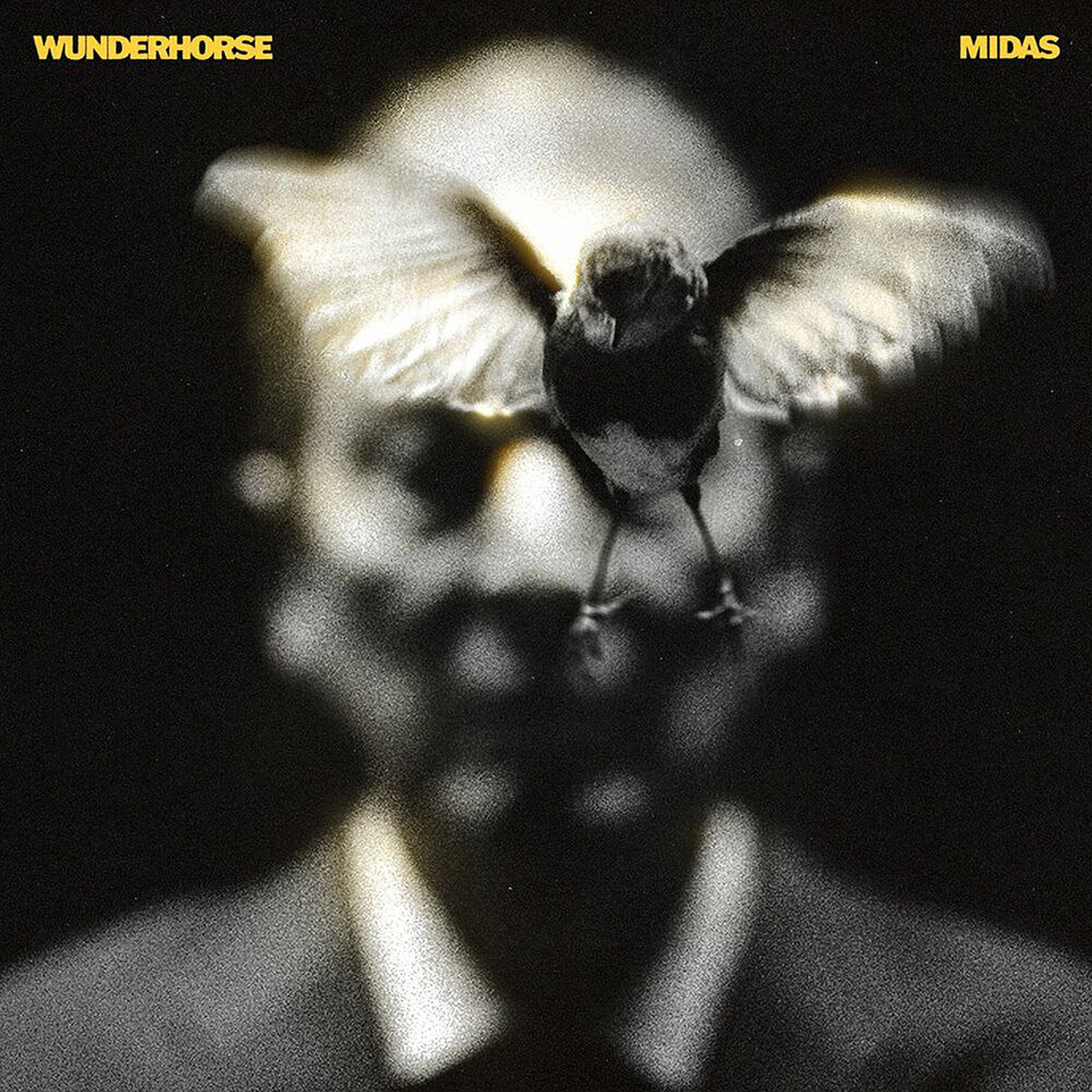
Starting off with lead single Midas, which sounds much better as an introduction to the album’s atmosphere than a single, the album works its way up into strong grunge territory with thrashing guitars and drums. Rain, the second track and easily my favourite, is enchantingly dark and sombre. Next up are Emily, a heartbreak song in grunge style, followed by the more upbeat Silver, which features the darkest lyrics on a Wunderhorse feature describing a toxic relationship, very reminiscent of Nirvana:
So hush now, baby, don’t you cry
I know you’re singing deep inside
I broke your wings so you won’t fly
This is followed by Arizona, where the album’s production and the rock sounds really shine along with the band’s beautiful description of blooming flowers during rain in the Arizona desert. This apogee in the album is capped off by Superman: a meditative, almost cathartic first-person account of what it would be like to be Superman, flying over rooftops, arms spread like an eagle.
July turns out to be a much better song in the context of the album, than a single. With relentless punk energy, and Slater screaming “Why the fuck should I keep appearances/What’s it gonna take for you to take me serious?”, it acts as the perfect bridge from the calmness of Superman back into the gritty guitars of the remainder of the album: more energy and rawness in Cathedrals, already a fan-favourite; Girl, a rock and roll song in the more old-fashioned manner; and the epic 8-minute long Aeroplane that closes off the relentless energy in the album with this calm confidence, simple guitar tunes interspersed with these harsh twangs.
There are, however, costs to the loss of sonic range and diversity from the Cub phase: to me, songs like Cathedrals, Girl, and Emily don’t really stand out all that much in the album; to some, the album (with certain exceptions) can sound monotonous and repetitive. Other issues are present as well: on Superman, what could have been a perfect crescendo falls flat, as Slater’s vocals fail to hit the right notes. Even Aeroplane feels a little uninspired as more than half of the 8-minute long song is just the same chord progression, with minor variations, devoid of lyrics as well. I felt Cub had a stronger closing song with Morphine. The lyricism is noticeably less emotive, less personal, and more simplistic, although I wouldn’t blame it as much as the other issues.
Yet, with a limited range of sounds in this album, Wunderhorse manages to create a really good rock album with some incredible songs. As a band, they decided to take a different route, creatively speaking, and it has clearly paid off well. Messy and rough around the edges, just like the atmosphere of its songs, Midas is a great album and despite its imperfections, firmly cements the band as one of the most promising of the decade.